
Propolis
Further Details
what is propolis?
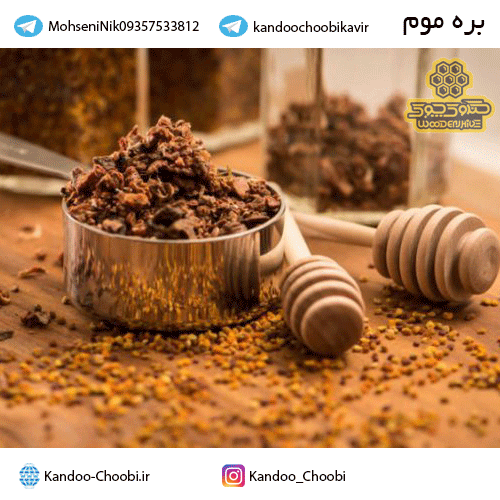
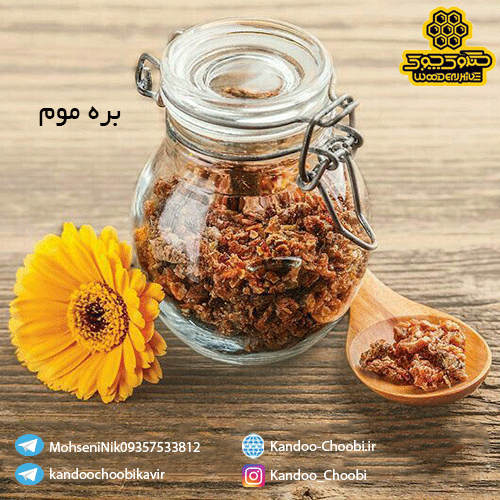
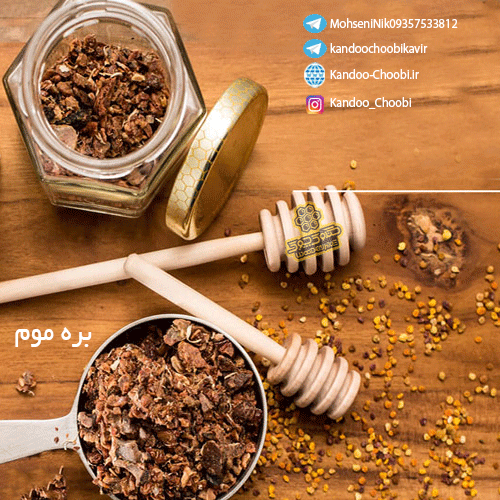
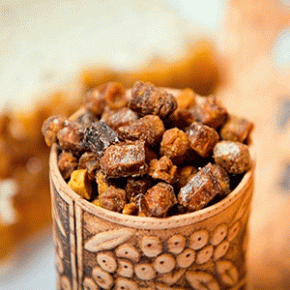
The propolis is a mixture of different amounts of beeswax and resins. Which is collected by bees from plants, especially from flower buds and leaves. The bees scrape the flower bud resins and leaf with their jaws, mix them with saliva and wax secretions, and store them in a pollen basket on their hind legs. This valuable substance is the third most important bee product after honey and royal jelly and has unique properties. This product is used in its complete form, aqueous, alcoholic, hydro-alcoholic extracts or extracts of other solvents. Before buying propolis, study its attributes.
Properties of propolis
The propolis has significant antioxidant properties and the antioxidant compounds in it play an important role in various properties, including immunogenicity. Among bee products, propolis has the highest antioxidant and fungicidal attributes. It also has antibacterial activity against both Gram-positive and Gram-negative bacteria, as well as aerobic and anaerobic types. The use of different solvents to extract the active combinations of propolis causes changes in its bioactive components.
However, propolis has beneficial and important biological properties:
1- Antibiotics against bacteria, viruses, and fungi
2- Anti-cancer
3- Antioxidants
4- Anti-inflammatory activities
5- Anti-diabetes
6- Anti-protozoan
7- Dental activities
Uses of propolis in the hive
The propolis is considered an antiseptic and an effective factor in preventing the entry and spread of diseases in the hive. This product is located at the entrance of bees into the hive and because the bees will pass through it before entering the hive, it can probably play the role of disinfecting the bees’ hands and feet when entering the hive.
Also filling the gaps, tightening the ventilation holes, stiffening the flight hatch in winter, repairing fractures, polishing and disinfecting the inner wall of the hive and frames, solidifying the connection of honey frames to the hive and other frames from Applications of this product.
Other usages
In addition to the above, It is used to adjust the entrance to the hive, control the cold, better defend, repair them (frame), fill the gaps in the hive, disinfect, cover dead animals or insects inside the hive. The composition of propolis depends on the type of plants available to the bees. Its color, smell, and medicinal properties also vary depending on the origin and season of the year. Some bees are more inclined to collect propolis, which makes the beekeeper’s job more difficult. Because it is a sticky material, it becomes difficult to remove the frames from the hive.
The ancient Romans and Greeks used it to cure infections, fevers, and to heal wounds. The propolis has no side effects and can be applied as a substitute for chemical antibiotics. It contains vitamins A, B1, B2, B3, biotin, albumin, calcium, magnesium, iron, zinc, silica, potassium, phosphorus, manganese, cobalt, sixteen amino acids, and a set of bioflavonoids.
Medicinal applications of propolis
For the treatment of cardiovascular illnesses(anemia), respiratory system, dental care, skin (wound healing, eczema, wound healing caused by burns and fungus), infectious diseases (mucous membranes and wounds), cancer treatment, Strengthens and improves the body’s immune system, digestive system (wounds and infections), protects and strengthens the liver, intestinal, skin, throat, mouth and tooth.
Today propolis in the form of ointments with Vaseline, oil and…, mouth and nose sprays, propolis syrup or honey, pills, shampoo, anti-dandruff lotion, toothpaste, anesthetic, creams, face masks, Capsules, and … are processed and available for public purchase.
Reviews
There are no reviews yet.