
7 Misconceptions about bees
Mistakes about bees
Raising bees can be an extremely rewarding agricultural enterprise. Interest in beekeeping has increased drastically throughout much of the United States. Several factors have contributed to this increase such as the desire to produce backyard honey, provide pollinator sources and gain an extra source of income. But there have always mistakes about bees, some of which we will address in this article.
When I have initial conversations with potential beekeepers, many of the questions I’m asked are grounded in myths that have existed for generations. Unfortunately, these myths have stopped many individuals from becoming involved in beekeeping. While bees are one of the most beneficial agricultural insects, the following myths make bees one of the most feared and misunderstood insects. Don’t let myths stop you from learning about bees.
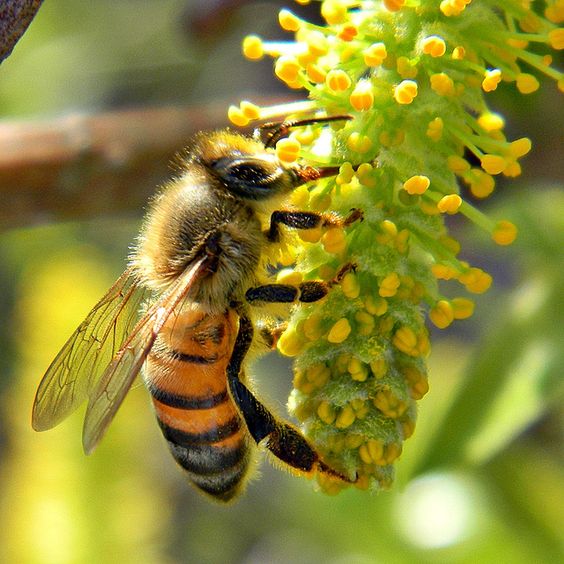
Myth #1: All bees sting.
One of the mistakes about bees is that most people think that all bees bite. But not all bees can sting. For example, male bees cannot sting. The stinger, or sting, is a modified egg-laying device. Therefore, only females have them. However, despite having a stinger, the females of many bee species actually cannot sting. Bees tend to sting to defend their nest, so most bees won’t sting unless they are provoked or feel threatened.
Myth #2: Honey bees can sting their victim repeatedly.
Honey bee workers can sting other insects repeatedly. However, barbs in their stingers get caught in the skin of the animals they sting, especially mammals with thick skin such as humans. Removing the stinger is fatal to the bee, so it dies afterward.
Myth #3: Wasps are bees.
Although wasps belong to the same order of insects, they are not bees. Bees are vegetarians, collecting pollen and nectar for their young. Wasps are carnivores. Some species can be very aggressive, especially if you disturb their nests. Bees are usually nonaggressive. The exception is Africanized bees, a species not commonly found in the United States.
Myth #4: You can avoid bee stings by spraying the nest with water.
Do not try this. Water will not affect a bee nest. Likely, you’ll just irritate the bees inside and increase your chance of getting stung.
Myth #5: All bees produce honey.
Less than 5 percent of bee species make honey. Only honey bees and stingless bees produce enough honey to make it worth harvesting. Bumble bee hives may have a small amount, about one to two teaspoons. Bumble bees are annual, not perennial. They don’t need to produce a lot of honey to survive the winter.
Myth #6: Adult bees live a long time.
Solitary bees live only a few weeks, just long enough to mate, build nests and produce offspring. Honey and bumble bee workers and males live about six weeks. The workers spend half their time working on the hive and the other half foraging for pollen and nectar. The queens live longer. Bumble bee queens live up to one year, and honey bee queens can live up to four years.
Myth #7: Bees won’t sting at night.
Another mistakes about bees has long is that they do not sting at night, which in fact is incorrect. Bees will sting at any time for protection.



Comments