
Saffron
Further Details
Saffron and its characteristics
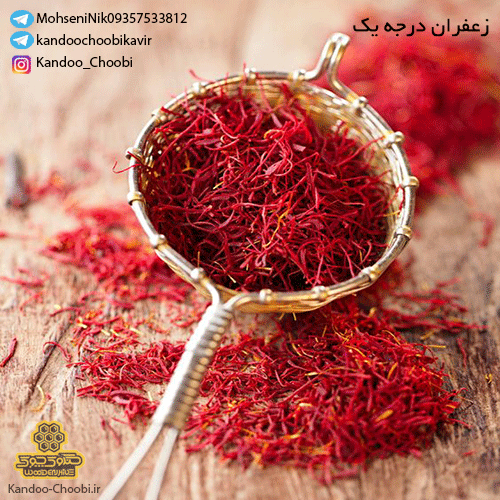
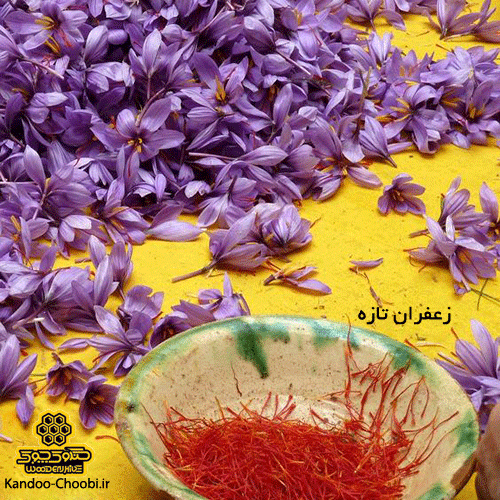
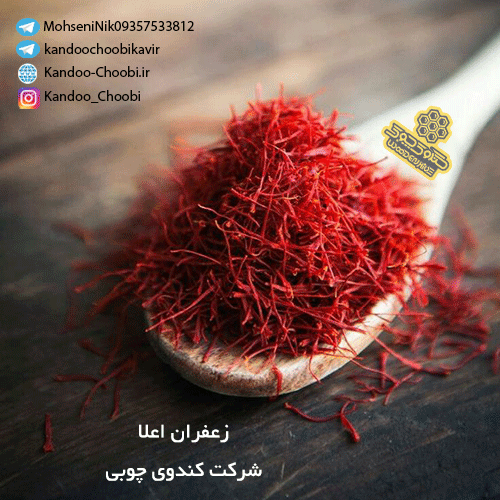
Saffron or Zarparan (Arabicized Zarparan) with the scientific name: Crocus sativus, is a small perennial plant 10 to 30 cm high and from the genus Lilies; The genus of this plant has many properties that are widely used in the pharmaceutical and food industries. Iran is the largest producer and exporter of saffron in the world with an annual production of 330 tons and an export of 280 tons of this product. (Statistics for 2009) Among these, the provinces of South Khorasan and Razavi with a share of 85%, have the largest share in the production of Iranian saffron.
From the middle of the onion or the base of the stem, a number of narrow and long leaves emanate. From the middle of the leaves, a flowering stem emerges that leads to one to three flowers. The flowers have 6 purple petals that may be pink or purple in some variations. The flowers have 3 flags and a pistil leading to a reddish-orange stigma. The part used by this plant is the end of the cream and the stigma of the three branches, which is known as saffron and is fragrant and slightly bitter.
Saffron attributes
Healthy nerve function
Consumption of saffron improves the health of your nerves. Because this spice contains large amounts of B vitamins, especially vitamin B6. Vitamin B6 helps our nervous system function. Therefore, the risk of developing diseases that are caused by poor nerve function is reduced.
Improve depression
Studies have dedicated that this valuable plant has an antidepressant effect on the body. This effect is provided by active compounds such as crocin and kaempferol.
Improving memory
Some researches have shown that this product can improve memory, especially long-term memory, and aid the learning process. The content of crocin and crocetin in it can improve the formation of brain cells and prevent damage.
The maintain of eyesight
The crocin content in saffron can significantly increase blood flow to the retina and cornea and better retinal function. It is also useful for treating ischemic retinopathy and macular degeneration in the elderly.
Reducing the risk of cardiovascular disease
The antioxidants in this product can significantly reduce the risk of heart disease by improving cardiovascular health. Milk to which 50 mg of saffron is added and consumed twice a day, can be significantly effective in reducing the oxidation of lipoprotein that is formed in the arteries.
Fighting inflammation
The benefits of saffron are the best choice to fight inflammation due to its antioxidants. Because it contains flavonoids, tannins, anthocyanins, alkaloids, and saponins that can be used as antioxidants to reduce inflammation in the body.
Improving sleep quality
The combination of milk and saffron before going to bed can better the quality of sleep. This compound contains magnesium, which can increase drowsiness by calming the nerves. Saffron acts as a sedative for the body.
Treatment of gastric ulcer
The anti-gastric effect of this plant can significantly cure gastric ulcer disease. Saffron has been reported to protect the stomach against mucosal damage caused by some substance called indomethacin, a necrosis agent. It also prevents the production of excess stomach acid which can damage the stomach wall.
Repairing body cells
Saffron with unique properties, contains high protein that can repair damaged cells. Protein is the main nutrient known as the building block of all organs and tissues of the human body.
Tip:
Saffron may interfere with some medications, such as warfarin or blood pressure medications. Consult your doctor before using saffron.
To order and buy saffron and barberry in bulk and by weight, please call +989115602512 and +989153004370.
Reviews
There are no reviews yet.